

A Year Full of Flowers
Updated:In the early years, when we were first getting started, I primarily grew annuals from seed because that was all I could afford. And while that was wonderful and they bloomed abundantly, it meant that I only had flowers to cut from during the summer months, because they all bloomed at the same time of year.
Over time, I was slowly able to expand the range of plants in my garden to include bulbs, perennials, biennials, roses, and flowering shrubs. By choosing varieties from a wide range of plant categories, I was eventually able to harvest flowers for more than 10 months of the year.
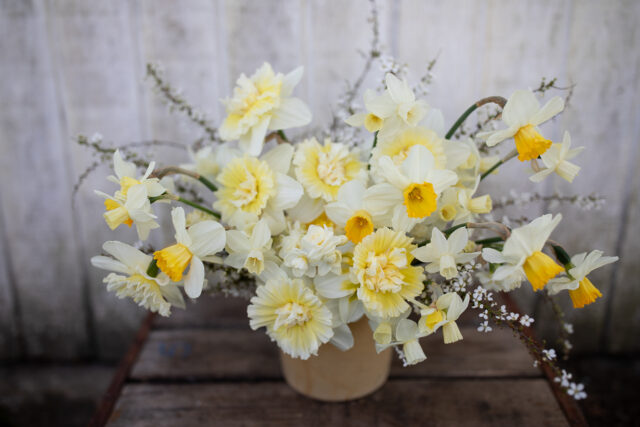
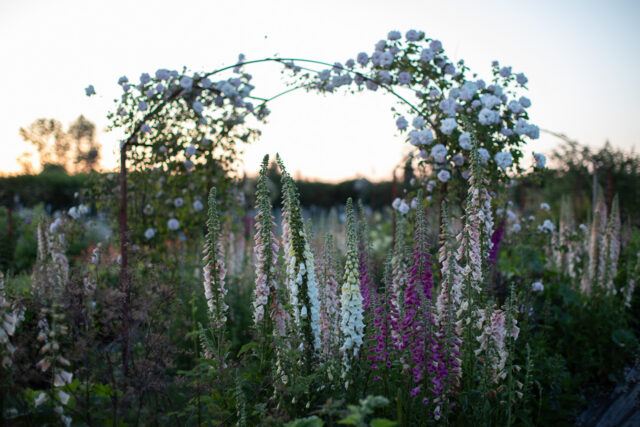
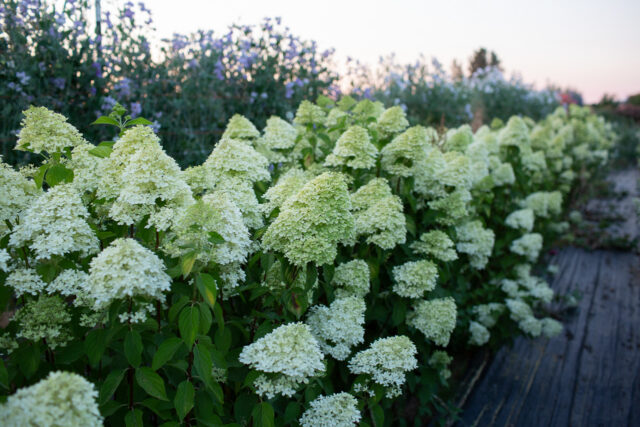 This photo-filled post explores the year in flowers here at Floret, starting with hellebores in late winter and ending with heirloom chrysanthemums in late autumn. If you’re interested in expanding the range of flowers that you’re growing or are trying to fill a gap in your bloom calendar, I hope this post gives you lots of inspiration.
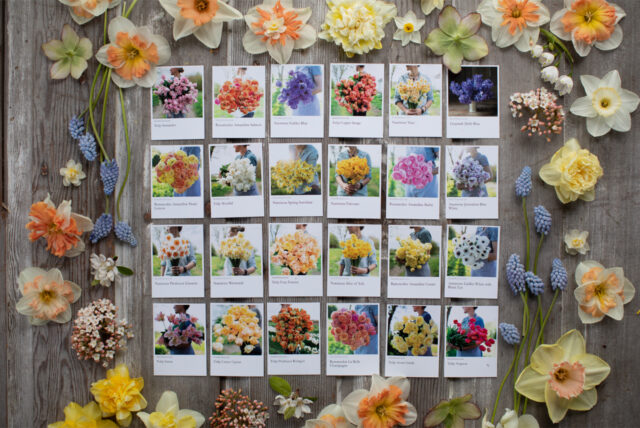
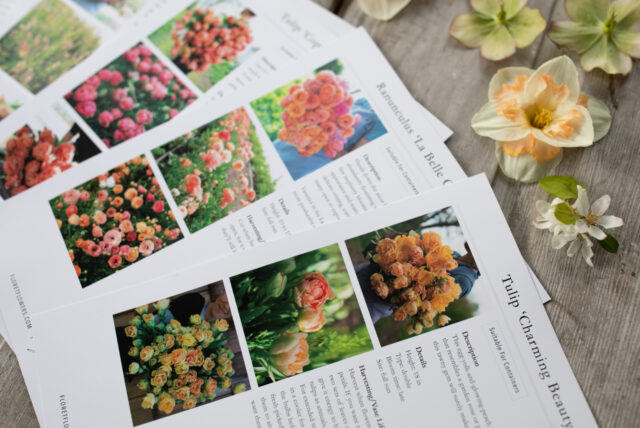 You’ll find many of these plants in the Floret Library, with photos, descriptions, and growing information. And the best part is that the entire library is printable—you can print a full group of plants as a set of planning cards or do a deeper dive into a specific variety and print its whole profile, which can be very helpful for garden planning, especially if you’re a visual learner.
To help you source all of these beautiful varieties, we’ve put together our favorite specialty seed companies, bulb and plant suppliers, and dahlia tuber resources.
February
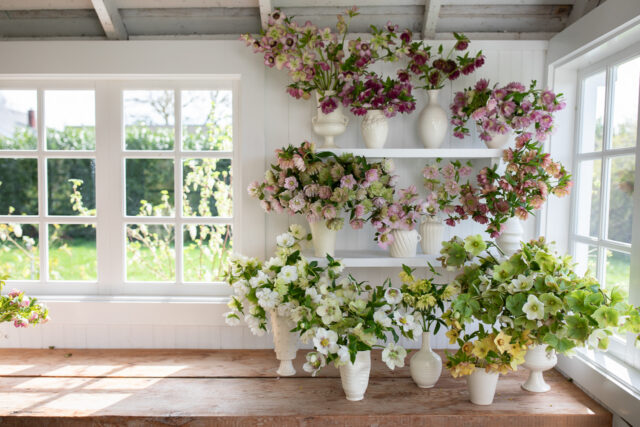 Hellebores
Hellebores, also known as Lenten rose, are some of the very first flowers to come into bloom each year, just as winter feels like it will never end. Plants for these long-lived perennials are on the spendier side, but I think everyone who grows them would agree that they are worth the investment in the long run. They thrive in the shade, deer generally ignore them, they come back bigger and better each year, and they are the very first flowers that can be harvested in abundance, at a time when the rest of the garden is still asleep.
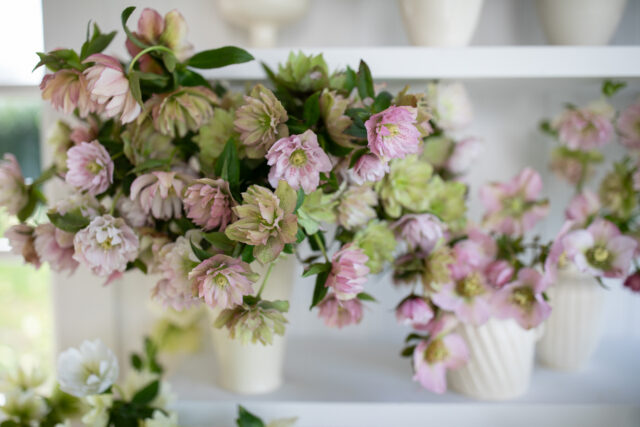
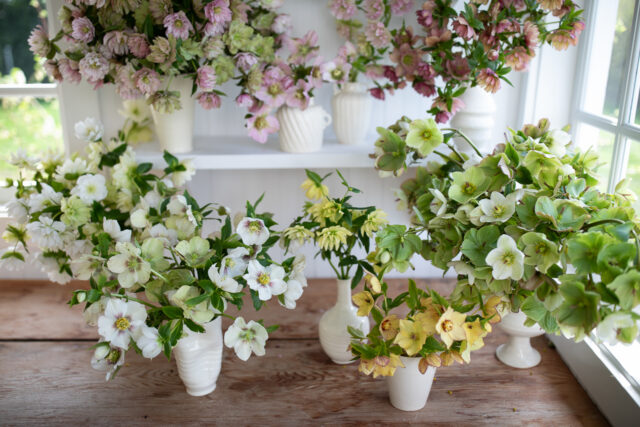 Available in a rainbow of muted colors, including eggplant, chartreuse, yellow, ivory, wine, crimson, peach, mauve, and even black—and with flowers in frilly doubles, speckled bicolors, delicately brush-marked picotees, and standard five-pointed stars—hellebores are both beautiful and incredibly diverse.
There has been a lot of great hellebore breeding over the past few years, with a focus on creating larger flowers that are upward facing, which is a big improvement over their older counterparts.
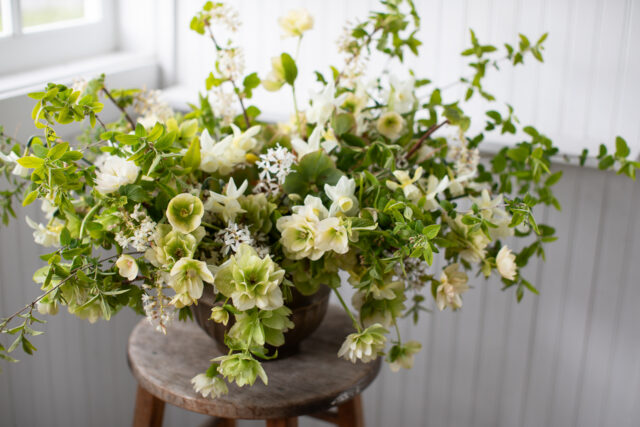
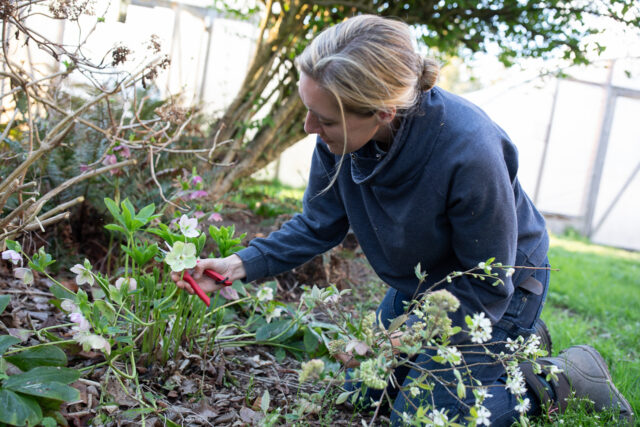 Hellebores have a reputation for not lasting well as cut flowers, but they actually make great cuts if you know when to pick them and how to condition them. It’s important to wait until flowers are on the more mature side, so hold off harvesting until all the little pollen florets encircling the center have dropped. If you can wait until the seedpods in the center start to form, they will last even longer.
If you want to see how we grow our hellebores here on the farm, learn more vase life tricks, and get a variety tour, be sure to watch this video.
March
 Iceland Poppies
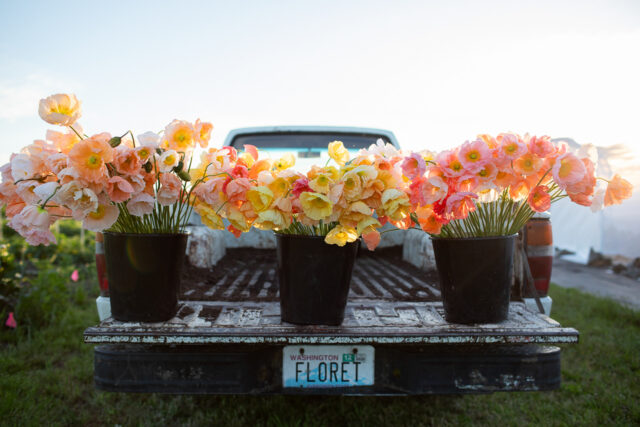
One of the most exquisite cut flowers I’ve ever grown, Iceland poppies have been a spring staple since the early years of Floret. Their tissue paper–like blooms and beautifully colored petals, paired with their fresh citrusy scent and abundant flowering habit, make them highly prized cutting garden additions. While Iceland poppies are technically perennials and can survive even the coldest winters, I’ve always grown them as hardy annuals and plant seedlings either in autumn or in late winter inside an unheated hoop house to get the earliest blooms.
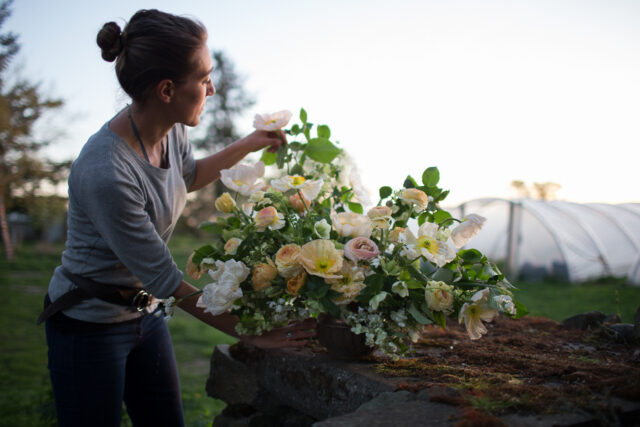
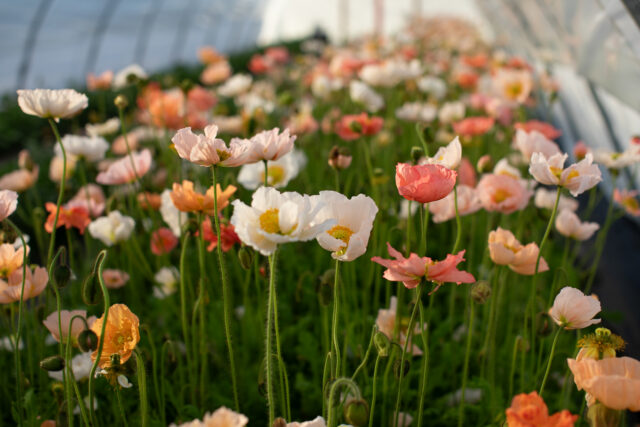 If plants are grown on the cooler side (we vent the side walls of our hoops on all but the coldest days), they will flower abundantly starting in March and continue through June. They don’t have to be grown under cover, but I’ve found that the added protection from the elements keeps blooms from becoming tattered and beaten up in harsh spring weather.
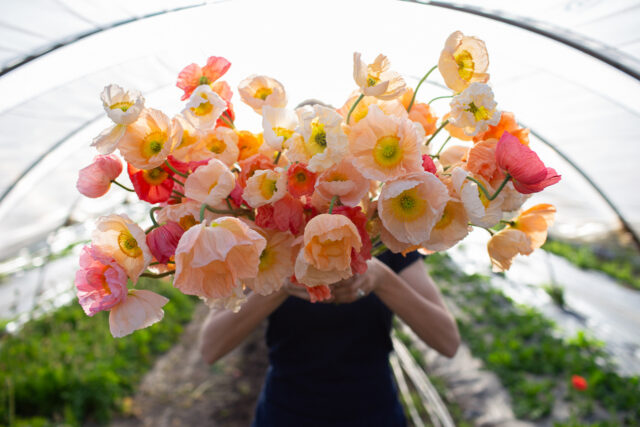
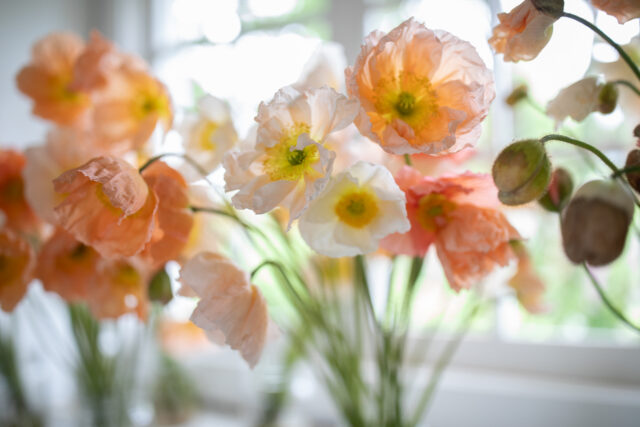 There are two main groups of Iceland poppies. The first includes the shorter, smaller-flowered varieties, like the Pastel Meadows Mix and the Champagne Bubbles series. These guys crank out a staggering number of flowers on 12- to 18-in stems.
The second group, often called Hummingbird poppies or the Colibri series, are their much larger counterparts. Their flowers are much showier and stems can get up to 2½ ft long, but they are a bit more finicky to grow because the blooms do not always open easily and sometimes need to be coaxed from their fuzzy pods.